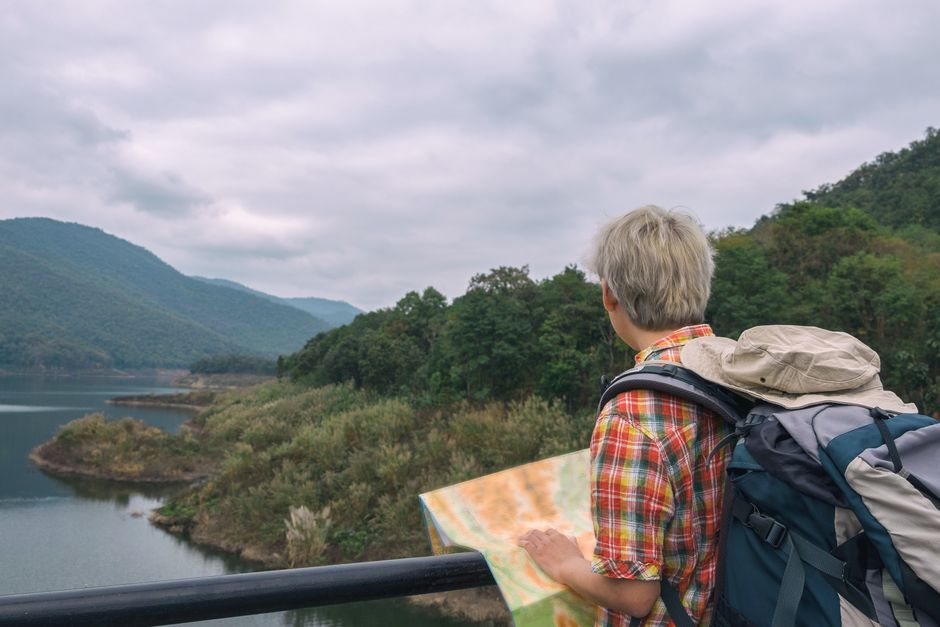
Traveler with backpack and map exploring picturesque mountain landscape.

Safety

Understand the safety measures and guidelines for mountain travel. We emphasize responsible adventure without unnecessary risks.

Planning for Safer Mountain Travel

Effective mountain travel begins well before the first step. Preparation involves studying route conditions, checking weather forecasts, and understanding terrain challenges. Alpine Routes emphasizes structured planning as a core method to reduce uncertainty. Reviewing maps, setting waypoints, and informing others about your itinerary are basic steps that support responsible decision-making. Every trip benefits from a clear plan adapted to current circumstances.

Common Questions About Mountain Safety

  • What is the most important item for safe mountain travel?
    A reliable navigation tool, such as a map and compass, is essential. Technology can fail, so understanding basic orienteering is a key safety practice.
  • How should I prepare for sudden weather changes?
    Always carry layers of clothing, a waterproof shell, and emergency shelter. Monitor forecasts and be ready to adjust or turn back.
  • What is the best way to manage altitude during a climb?
    Gradual ascent with rest days helps the body adapt. Know the signs of altitude illness and have a plan to descend if symptoms appear.
  • How do I communicate in areas with no cell signal?
    Carry a personal locator beacon or satellite messenger. Leave a detailed trip plan with someone at home as a backup communication method.
  • What should I do if I get lost on a mountain trail?
    Stop, stay calm, and use your navigation tools. If unsure, retrace steps to the last known point. Avoid wandering off-trail in poor visibility.

About Alpine Routes

Alpine Routes offers informational frameworks for mountain travelers who value structure and method over outcome-based promises. Our content focuses on process-oriented approaches to route selection, gear evaluation, and risk assessment. We do not provide guarantees or directive advice; instead, we present guidelines that depend on external factors such as weather, fitness, and terrain. Our goal is to support informed decision-making by describing tools and strategies commonly used in alpine environments. Every reader is encouraged to adapt these methods to their own context and to consult qualified professionals for specific situations.
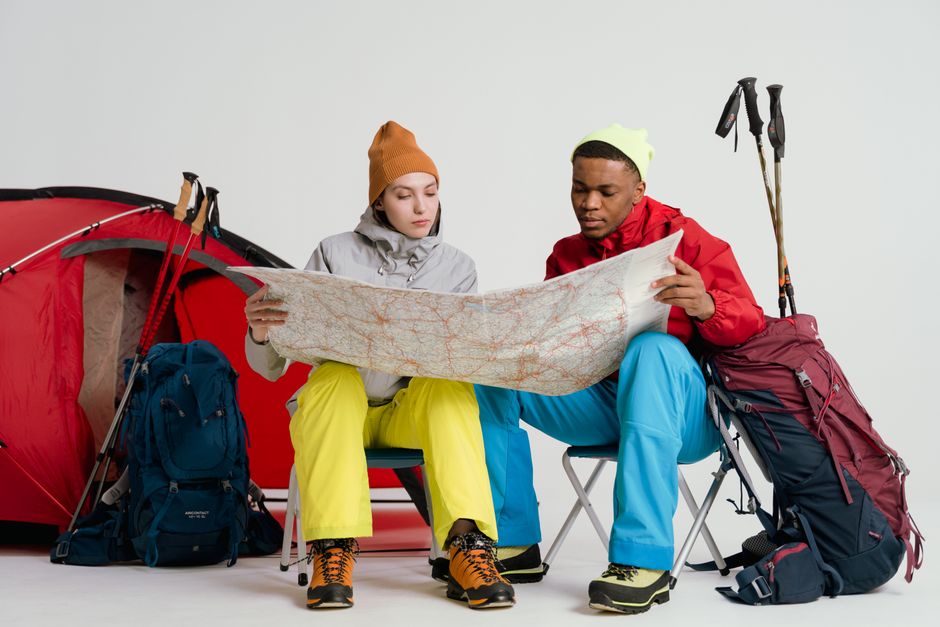
Two young hikers study a map, preparing for a winter trek with camping gear and equipment.

Responsible Adventure in Mountain Terrain

Engaging with mountain environments involves accepting inherent uncertainty. Responsible adventure means balancing challenge with preparation. Alpine Routes describes approaches that help travelers assess their own limits and choose appropriate routes. Safety is not a fixed outcome but a continuous process of evaluation. Factors such as group dynamics, physical condition, and weather patterns all influence the journey. Understanding these variables allows for adaptive planning without assuming predictable results.