How to Build a Safe Campfire in High Altitudes
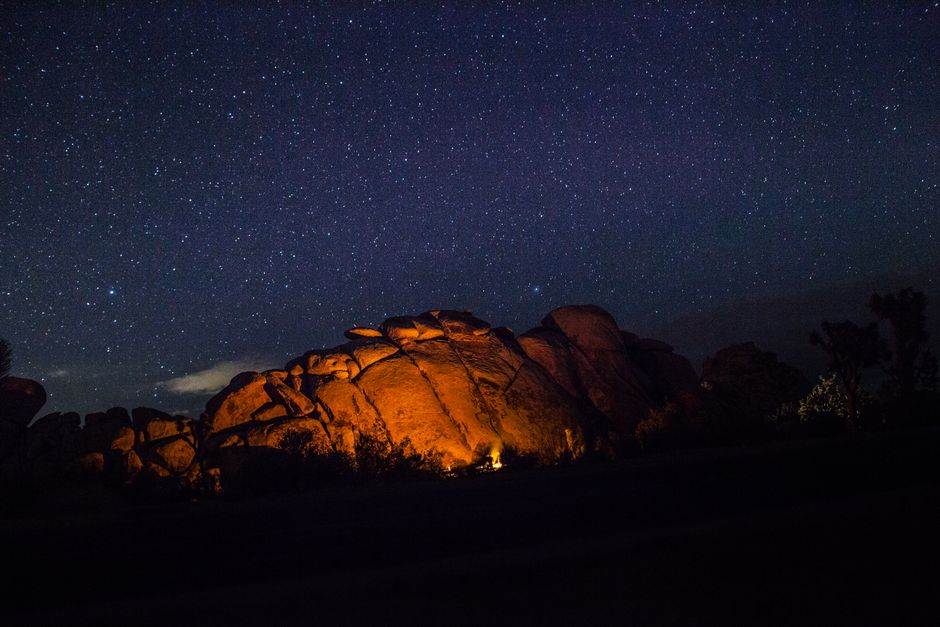
Building a campfire in high-altitude environments, especially above the treeline, requires a different approach than a lowland fire. The combination of thin air, scarce fuel sources, and fragile alpine ecosystems means that careful planning and strict adherence to regulations are essential. For those spending time in the mountains, understanding the principles of safe fire construction minimizes the risk of wildfire, reduces environmental impact, and ensures a comfortable experience. This article outlines the key considerations for building a fire at elevation, from legal requirements to extinguishing techniques, with an emphasis on leaving the landscape as undisturbed as possible.
Above treeline, trees no longer grow, and the available woody material consists of low-growing shrubs, roots, or windblown debris. Many backcountry travelers assume that campfires are always permissible, but federal and local land management agencies often impose restrictions in alpine zones. Even when fires are allowed, the ecological sensitivity of these areas demands a cautious, leave-no-trace mindset. By following a methodical process, one can enjoy the warmth and atmosphere of a campfire while protecting the surrounding environment.
Understanding High Altitude Fire Regulations
Before gathering any fuel or striking a match, it is necessary to check current fire regulations for the specific area. In the United States, land management agencies such as the U.S. Forest Service, National Park Service, and Bureau of Land Management enforce rules that vary by season, elevation, and drought conditions. Many alpine areas are subject to seasonal fire bans, especially during dry summer months or prolonged periods of low humidity. These restrictions may prohibit all open flames, or allow fires only in designated metal fire rings or within established campgrounds. Ignorance of these rules does not exempt one from fines or liability, so consulting the local ranger station or agency website prior to departure is strongly advised.
Beyond legal restrictions, high-altitude fires are often discouraged because of the slow recovery rate of alpine vegetation and soils. Even a single fire scar can persist for decades in the thin, nutrient-poor soil above treeline. As a result, some wilderness areas require the use of portable camp stoves rather than open fires. In zones where campfires are permitted, a fire permit may be required. Obtaining a permit typically involves a brief orientation on fire safety and leave-no-trace principles. By respecting these regulations, hikers and campers help maintain the backcountry for future use and reduce the likelihood of human-caused wildfires.
Selecting and Preparing Suitable Fuel
Above treeline, the natural supply of firewood is extremely limited. The few available sources include dead branches from krummholz (stunted, wind-sculpted trees) or the occasional piece of driftwood carried by wind or water. However, harvesting even dead wood from these areas can damage the fragile plant communities. The most responsible approach is to bring firewood from lower elevations, or to use a backpacking stove for cooking and rely on a small fire only for ambiance when conditions permit. If one chooses to gather wood on site, only dead and downed material that is no longer attached to a living plant should be collected, and it should be no larger than wrist-diameter to burn completely.
Fuel selection also involves considering the moisture content. Wood that appears dry at the surface may still be damp inside due to frequent condensation or snowmelt at altitude. Splitting larger pieces exposes drier inner wood, which ignites more readily. Alternatively, carrying a small amount of fire-starting aid such as a synthetic fire starter or waterproof matches can compensate for less-than-ideal fuel conditions. It is also important to collect more fuel than anticipated, because high-altitude fires burn faster due to lower oxygen levels and wind exposure. Having a surplus of small kindling and firewood ensures the fire can be maintained without needing to scavenge at night.
Choosing a Fire Site and Preparing the Ground
Selecting an appropriate location for the fire is critical for both safety and environmental protection. The ideal site is a patch of mineral soil, gravel, or bare rock at least ten feet away from any vegetation, overhanging branches, or dry grass. In alpine environments, patches of bare soil are often interspersed with delicate moss, lichen, or cushion plants. These organisms are easily killed by heat and trampling, so the fire should be placed where no living plants are present. If the ground is covered with organic duff or thick moss, it may be necessary to scrape away the surface layer down to mineral soil before building the fire ring.
Wind is a constant factor at high elevations. A fire that is well-protected from gusts is easier to control and requires less fuel to maintain. Natural windbreaks such as large boulders or the lee side of a ridgeline can be used, but the fire should never be built directly against a rock face, as heat can fracture stone. If no natural protection exists, a small wall of stones (no more than a few inches high) can be assembled to shield the fire. These stones should be gathered from areas where they are already loose and not embedded in the ground. After the fire is extinguished, the stones should be scattered to restore the site to its natural appearance.
Building, Maintaining, and Extinguishing the Fire
When constructing the fire, a teepee or log cabin arrangement works well in windy conditions because it allows air to circulate while providing structure. The fire should be kept small—no larger than the size of a dinner plate—to minimize heat impact on the soil and to facilitate complete combustion. A small fire also requires less fuel and is easier to extinguish thoroughly. Once the fire is burning, it must be attended at all times. Adding fuel in moderate amounts prevents flare-ups and excessive smoke. If the wind picks up or conditions become unstable, the fire should be allowed to burn down and then be extinguished rather than risk an escape.
Extinguishing a high-altitude campfire demands patience and thoroughness. Water should be poured over the fire, then the ashes and partially burned wood should be stirred with a stick or trowel to expose any remaining hot spots. More water is added, and the process is repeated until no steam, hissing, or heat can be felt when the back of the hand is held near the ash pile. It is not sufficient to simply bury the fire, as buried embers can smolder for hours and later ignite surface vegetation. The cold ash should then be scattered over a wide area, and any unburned wood or trash should be packed out. Finally, the fire ring stones are dispersed and the site is returned to as natural a state as possible. This practice aligns with leave-no-trace principles and ensures that the next visitor finds no evidence of the fire.
Considering Alternatives and Long-Term Impacts
In many high-altitude scenarios, the most responsible choice is to forgo an open fire entirely. Lightweight backpacking stoves provide efficient cooking and warmth without the environmental footprint of a campfire. If a fire is truly desired, one might consider using a fire pan or a portable metal fire pit that elevates the flames above the ground, reducing soil impact. These devices are especially useful in areas where surface soils are thin and easily scarred. When using such equipment, the same regulations and extinguishing procedures apply. The decision to build a fire above treeline should be weighed against the potential for lasting damage, including the charring of rocks, the destruction of cryptobiotic soil crusts, and the introduction of non-native ash nutrients into the alpine ecosystem.
By approaching the process with care and respect for the environment, it is possible to enjoy a campfire in the high country without leaving a permanent mark. Each step—from checking regulations to scattering the cooled ashes—contributes to the preservation of these fragile landscapes. Organizations such as Alpine Routes provide resources and training on responsible outdoor practices, yet the ultimate responsibility lies with each individual. The knowledge gained from a well-managed fire experience can be applied to future trips, fostering a deeper connection to the mountains and a commitment to their protection.