Mastering the Piolet Technique for Steep Ice
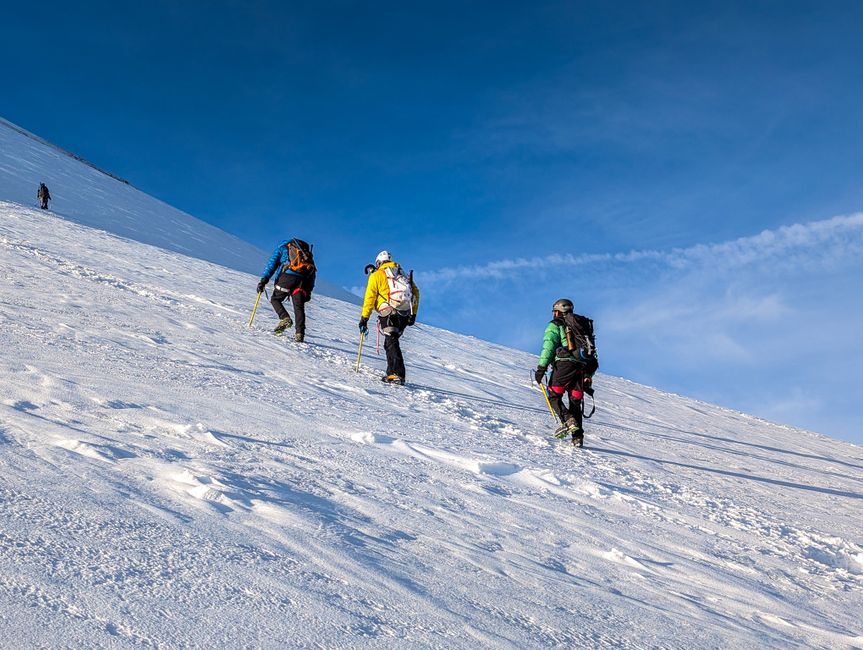
The ice axe remains one of the most fundamental tools in alpine mountaineering. Among its various applications, the piolet technique—referring to the proper handling and positioning of the axe—plays a central role in both self-arrest and climbing on steep snow and ice slopes. Understanding this technique involves more than simply holding the tool; it requires an awareness of body mechanics, snow conditions, and the relationship between the climber and the terrain. This article provides a step-by-step exploration of the piolet technique, focusing on how it can be applied to increase safety and efficiency during alpine ascents.
The term “piolet” originates from French mountaineering terminology, where it simply means ice axe. However, in practice, the piolet technique refers to the specific ways in which the axe is gripped and used for balance, support, and braking. Whether traversing a moderate snow slope or arresting a fall on steep ice, the technique relies on precise hand placements and weight distribution. By breaking down each phase of the movement, climbers can develop a repeatable process that adapts to varying conditions.
It is important to note that the effectiveness of any ice axe technique depends on multiple factors, including the angle of the slope, the hardness of the snow or ice, and the individual’s physical condition. No single method guarantees a successful arrest or a secure climb. Instead, the piolet technique provides a structured framework that can be adjusted as conditions change. The following sections outline the core elements of this approach, from grip variations to body positioning, always emphasizing a methodical and context-aware practice.
Understanding the Anatomy of the Ice Axe and Grip Variations
Before developing the piolet technique, it is useful to become familiar with the components of an ice axe. The shaft, head, pick, adze, and spike each serve distinct functions. The head contains the pick for penetrating ice and the adze for cutting steps or clearing snow. The spike at the bottom of the shaft helps with balance when walking, and the shaft itself provides leverage and support. The piolet technique primarily involves the placement of the hands on the shaft and head, with the grip adapting to the slope angle and the task at hand.
Two common grip variations are the self-arrest grip and the climbing grip. For self-arrest, the climber typically holds the axe near the head with one hand, with the pick oriented away from the body. The other hand grips the shaft closer to the spike, allowing for controlled rotation of the axe during a fall. In contrast, for steep climbing, the axe may be held in a cane position—with the spike downward and the hand near the head—or in a dagger position, where the climber grips the shaft just below the head and drives the pick into the ice with a stabbing motion. Each grip changes the center of mass and the angle at which force is applied.
Selecting the appropriate grip requires assessing the snow or ice condition. For example, on hard ice, a secure dagger grip provides more direct penetration, whereas on softer snow, a cane grip allows for better balance during a traverse. The choice is not fixed; a climber may switch between grips within a single pitch. The underlying principle is that the grip must allow the climber to maintain three points of contact with the slope—two feet and one axe—while also being ready to transition to an arrest position if a slip occurs.
Self-Arrest: The Sequence of Movements for Steep Slopes
Self-arrest is the process of stopping a sliding fall using the ice axe. On steep ice or snow, the window for a successful arrest is narrow, making a practiced sequence essential. The piolet technique for self-arrest begins the moment a climber feels a loss of balance. The first action is to bring the axe across the chest, with the pick pointing downward and slightly outward. The climber then rolls onto the stomach, keeping the axe shaft horizontal and pressed against the body. This position helps distribute the load and prevents the pick from digging in too suddenly.
Once the body is prone, the climber applies downward pressure on the axe head with the chest while simultaneously pulling up on the shaft near the spike. The pick should engage the slope at an angle that allows it to bite gradually, rather than abruptly. A common mistake is to drive the pick straight into the ice, which can cause the axe to twist or the hand to lose grip. Instead, the technique involves a controlled rocking motion, where the weight shifts from the chest to the arms, increasing friction progressively.
The legs play an important role as well. Spreading the legs slightly and digging the toes into the snow helps create additional braking force. On very steep ice, the body may slide sideways, so the climber must rotate the torso to keep the pick aligned with the direction of the fall. Throughout the arrest, the focus remains on maintaining a relaxed grip and steady pressure, rather than a desperate force. Practicing this sequence on moderate slopes before attempting steep terrain can build the muscle memory needed to react effectively under stress.
Climbing with the Piolet: Balance and Step Cutting
When ascending steep snow or ice, the piolet technique shifts from arrest to active support. One common method is the front-pointing technique, where the climber uses crampons on the front of the boots and drives the pick of the axe into the ice above their head. The axe acts as a third point of contact, allowing the climber to transfer weight onto it while moving a foot. The key is to place the pick at a 90-degree angle to the slope, ensuring it holds without popping out. A shallow placement may slip, while too deep a placement can make removal difficult.
For less steep terrain, a three-point contact approach using the cane grip is often sufficient. The climber walks with the axe held diagonally across the body, the spike planted in the snow with each step. This provides stability without requiring a full arm swing. On traverses, the axe can be switched from one hand to the other depending on the side of the slope. The rhythm of planting the spike and moving the feet becomes a natural cadence, reducing the risk of overbalancing
Step cutting is another facet of the piolet technique that remains relevant on hard ice where crampons may not grip reliably. Using the adze of the ice axe, the climber chips a small platform for each foot. The process is methodical: one hand holds the shaft near the head, the other near the spike, and the adze is swung in a controlled arc to remove thin layers. Step cutting consumes energy and time, so it is typically reserved for short sections where other techniques are inadequate. The quality of the step depends on the angle of the adze relative to the ice, and on the consistency of the material. Soft snow tends to crumble, while hard ice shatters—each requires a different wrist motion.
Transitions Between Techniques and Terrain Adaptations
Mountaineering rarely involves a single technique for an entire ascent. The piolet technique must accommodate transitions between self-arrest, climbing, and descending. For example, a climber moving from a snow slope to a steep ice wall may need to shift from a cane grip to a dagger grip while maintaining balance. This transition should be practiced in a controlled environment, as it involves removing one hand from the shaft to reposition the grip, which temporarily reduces the number of contact points. The safest method is to find a secure stance with both feet well planted before changing the handhold.
Descending steep snow requires a slightly different approach. Many climbers use a glissading technique, where they sit or slide down on the soles of their boots, using the ice axe as a rudder. The piolet technique for descent involves holding the axe near the head with one hand and dragging the pick lightly on the slope to control speed. On steeper descents, a walking descending step with the spike planted behind each movement can provide stability. The choice of method depends on the slope angle and the hardness of the snow; a seated glissade on hard ice can accelerate quickly, making the self-arrest position essential if control is lost.
Weather conditions and changes in snowpack also influence technique. A warm day may soften the surface, allowing the pick to sink deeper, while a frozen crust may require a sharper impact. The piolet technique is not a fixed set of instructions but a set of principles that guide decision-making. Regardless of the specific movement, the central idea remains: maintain a low center of gravity, keep the axe between the body and the slope, and always be prepared to transition to an arrest position. By approaching each move with this mindset, climbers can reduce the uncertainties inherent in steep alpine terrain.
Practicing the Piolet Technique: Drills and Considerations
Developing proficiency with the piolet technique requires deliberate practice outside of actual climbs. One effective drill involves finding a moderate snow slope—around 20 to 30 degrees—and repeating the self-arrest sequence from a controlled slide. The climber starts by lying prone on the slope, then releases tension to slide a few feet before applying the arrest. This helps build the feel of the pick biting and the body rolling. Progressively steeper slopes can be attempted once the basic motion feels natural.
Another drill focuses on grip changes. On a flat or gentle incline, the climber practices switching from cane to dagger to self-arrest grip while walking. The goal is to perform the transition smoothly without looking at the axe. Time pressure is not necessary; accuracy matters more than speed. Adding a weighted backpack can simulate real conditions, but the focus should remain on form. It is also helpful to practice on different snow types, from wet spring snow to packed winter ice, as each offers a different resistance curve.
Equipment maintenance plays a supporting role in technique. A dull pick or a cracked shaft reduces the effectiveness of any movement. Regular inspection of the ice axe, including checking the tightness of the head and the condition of the spike, ensures that the tool performs as expected. Climbers should also consider the length of the axe: a longer shaft provides more leverage for self-arrest but can be cumbersome on steep ice, while a shorter axe is easier to handle in dagger positions but offers less support on low-angle terrain. The piolet technique adapts to the tool, but a well-maintained and appropriately sized axe simplifies the learning process.
Ultimately, mastering the piolet technique is about building a reliable mental and physical framework. The technique does not eliminate the risks of steep ice, but it provides a structured way to manage them. Each movement, from the grip to the arrest, can be refined through repetition and reflection. By integrating these practices into regular training, climbers increase their ability to respond to the dynamic conditions of alpine environments.